Homeowners often notice a leak or damaged shingles and immediately wonder whether the roof needs a full replacement or if a repair will solve the problem. Straight Path Construction sees this question constantly, especially after storms or during seasonal inspections. The right answer depends on roof age, damage type, long term costs, and how Calgary’s climate impacts roofing systems.
Why Homeowners Struggle With the Repair vs Replacement Decision
Roof problems rarely start with a clear answer. A small leak can point to a simple flashing issue or signal deeper structural wear. Some damage looks severe but is isolated, while other issues appear minor yet repeat year after year. Without understanding what caused the problem and how widespread it is, homeowners can either overspend on replacement or delay a repair that should not be postponed.
When Roof Repair Is Usually the Right Choice
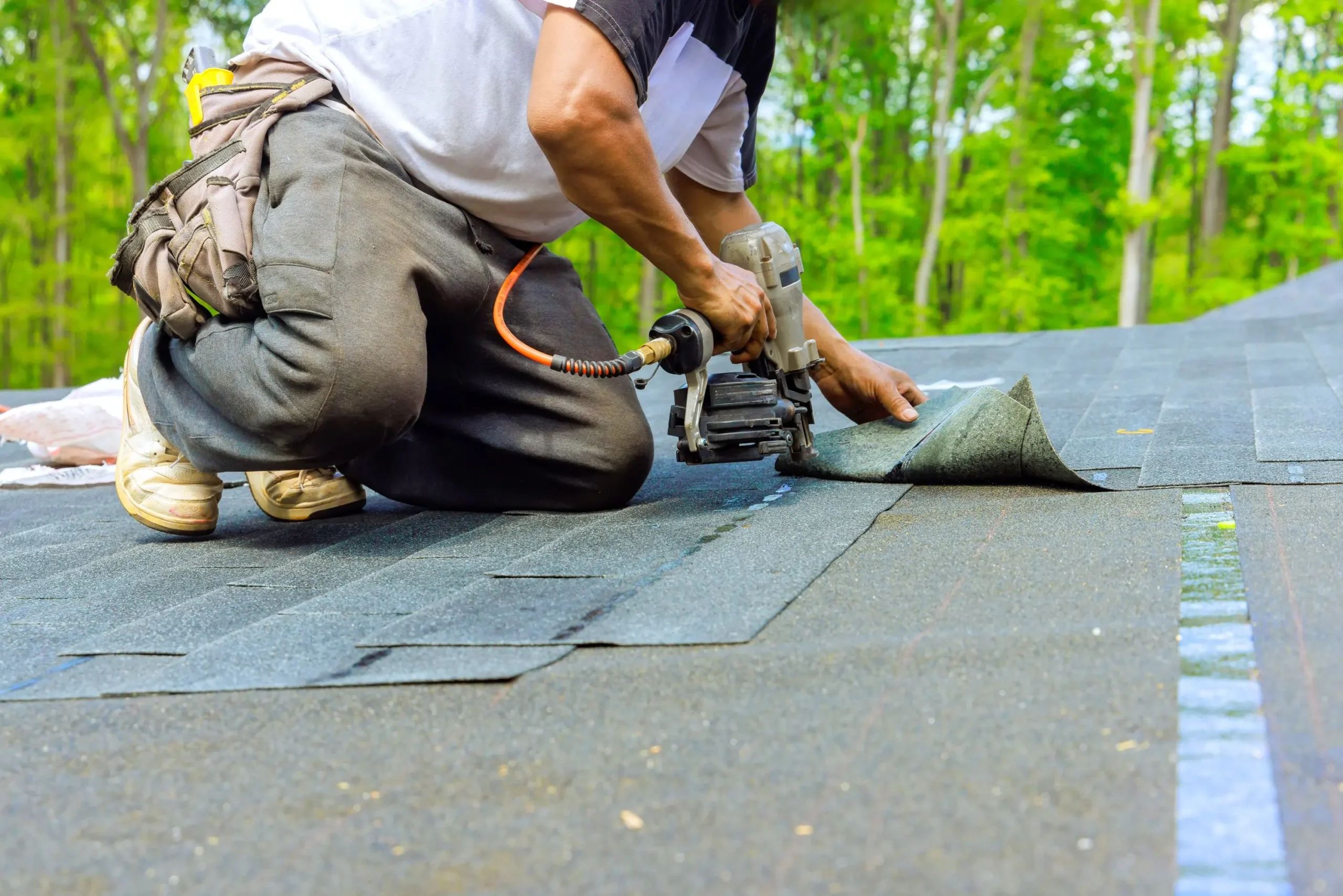
Roof repair is often the better option when damage is limited and the overall roof system is still in good condition. Isolated shingle loss, minor leaks around vents or flashing, and small storm related issues can usually be resolved through proper roof repair and maintenance. Repairs make the most sense when the roof is relatively young and has not shown recurring issues.
Targeted repairs help extend roof life without resetting the entire system. However, repairs should still address the root cause rather than simply patching visible damage.
Structural Damage vs Surface Damage and Why It Matters
Not all roof damage carries the same level of risk. Surface level issues affect components like shingles, flashing, sealants, or vents and are often suitable for repair when the underlying roof system is still sound. Structural damage is different. Problems such as soft decking, trapped moisture beneath underlayment, sagging rooflines, or widespread rot indicate deeper failure within the roofing system. Once moisture penetrates structural layers, repairs rarely provide long term protection. In these cases, replacement is typically the only reliable solution because surface repairs cannot correct compromised decking or insulation.
When Roof Replacement Becomes the Smarter Option
Roof replacement becomes necessary when damage is widespread or the roof has reached the end of its functional lifespan. Missing granules, curling shingles, soft decking, and repeated leaks across different areas often indicate systemic failure. In these cases, investing in professional roof replacement prevents ongoing repair costs and improves long term performance.
Replacement also makes sense when older roofing materials no longer meet current building standards or ventilation requirements, which can affect warranties and insurance coverage.
Cost Differences Between Roof Repair and Roof Replacement
Repairs typically cost far less upfront than replacement, but short term savings can disappear if issues continue. Repeated repairs add up quickly and may still leave homeowners vulnerable to leaks and interior damage. Replacement carries a higher initial cost, but it eliminates ongoing patchwork and restores full system integrity.
Choosing between repair and replacement should involve total cost over time rather than the lowest immediate expense.
Roof Repair vs Roof Replacement Comparison
| Factor | Roof Repair | Roof Replacement |
|---|---|---|
| Best suited for | Isolated damage on newer roofs | Widespread damage or aging roofs |
| Upfront cost | Lower initial expense | Higher initial investment |
| Long term reliability | Limited if roof is near end of life | Full system reset |
| Impact on roof lifespan | Extends life short term | Restores full expected lifespan |
| Warranty impact | Does not reset warranties | Often restarts material and workmanship coverage |
| Risk of recurring issues | Higher if underlying wear exists | Significantly reduced |
ROI and Long Term Value Considerations
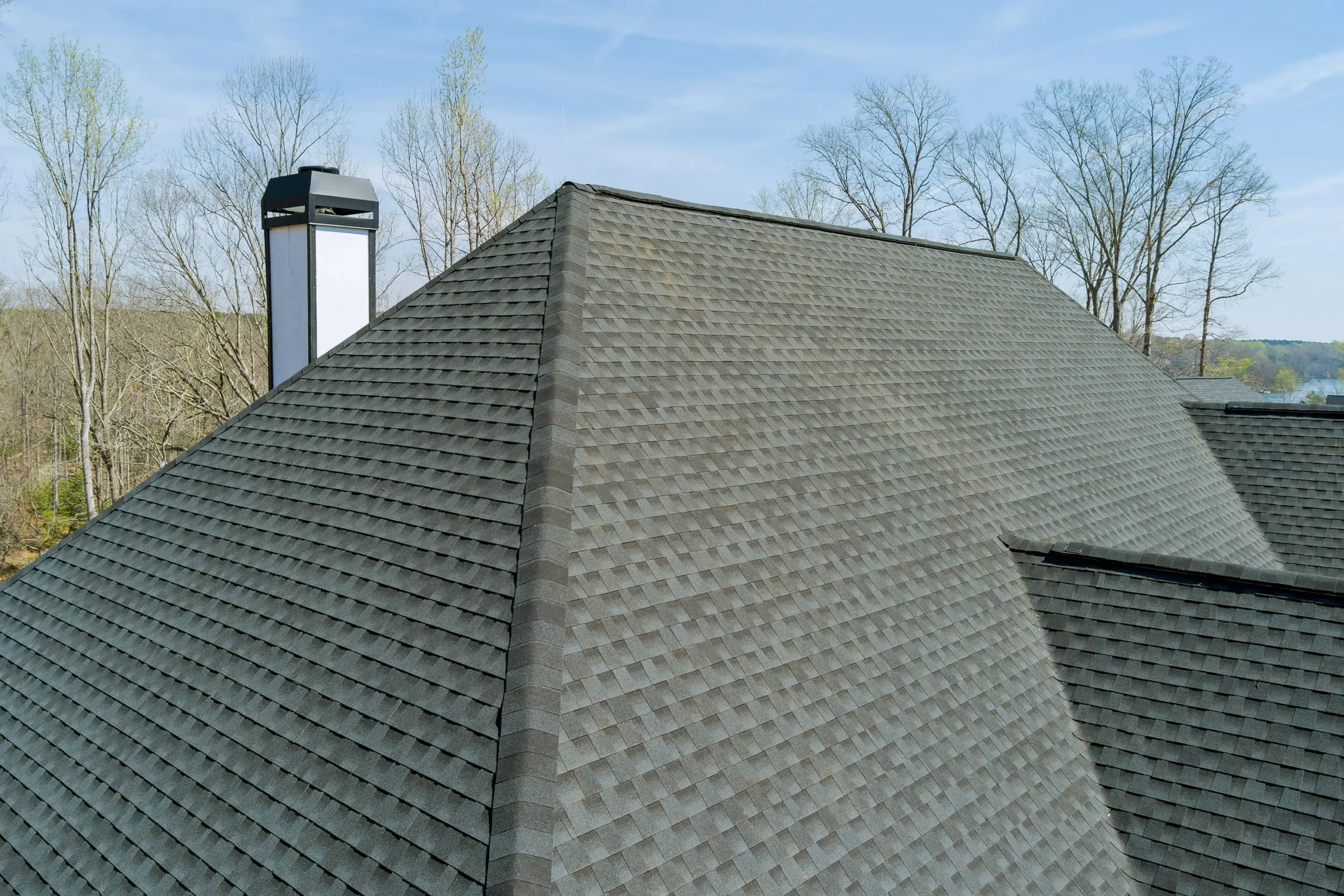
A new roof improves resale value, reduces insurance concerns, and often includes updated warranties. Buyers are more confident in homes with recently replaced roofs, especially in markets where inspections are common. Repairs provide value by extending roof life, but they do not reset warranties or eliminate aging materials.
When weighing ROI, homeowners should consider how long they plan to stay in the home and whether future buyers will expect a replacement soon.
How Roof Age and Material Type Affect the Decision
Roof age plays a major role in determining the right solution. Asphalt shingles nearing the end of their lifespan are less likely to benefit from repairs, as surrounding materials may fail soon after. Newer roofs with isolated damage respond well to repairs, especially when materials are still flexible and intact.
Material type also matters, as some roofing systems tolerate repairs better than others depending on how they age.
Calgary Climate Factors That Push Toward Repair or Replacement
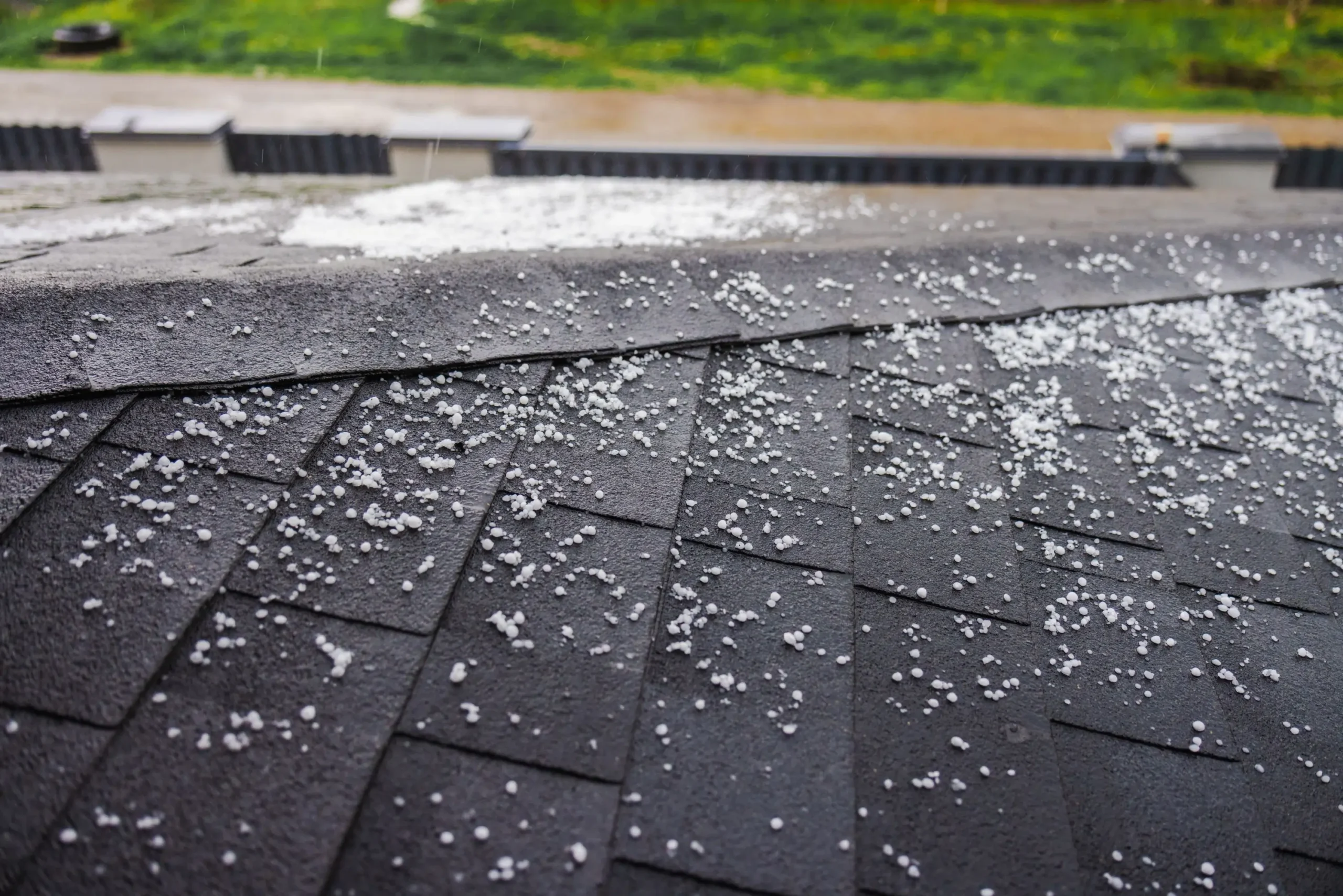
Calgary’s weather accelerates roof wear through hail impact, freeze thaw cycles, ice damming, and strong winds. Hail damage may require targeted repairs, while repeated exposure can weaken shingles across large areas. Ice buildup and ventilation issues often reveal problems that repairs alone cannot fix.
Understanding how climate stress affects the entire roof helps determine whether repairs will hold or if replacement is the safer option.
Why Contractor Assessment Matters More Than Guesswork
Choosing between repair and replacement should not rely on visual assumptions alone. Experienced professionals can identify underlying issues that are not visible from the ground. Homeowners who work with experienced Calgary roofing contractors gain insight into whether damage is isolated or systemic, helping them avoid unnecessary costs or delayed replacements.
Questions to Ask Before Deciding on Repair or Replacement
Before committing to either option, homeowners should ask what caused the damage, whether repairs address the root issue, how long the fix is expected to last, and how roof age factors into the recommendation. Clear answers help prevent repeat problems and unexpected expenses.
Building Standards and Code Considerations in Calgary
Older roofs may no longer meet current building code or ventilation standards, especially as requirements evolve to address ice dam prevention, airflow efficiency, and moisture control. When roofing systems fall behind modern standards, repairs may not bring the roof into compliance. Replacement allows the entire system to be updated to current expectations, improving performance and reducing future issues.
When to Get a Professional Roofing Inspection
If roof damage is visible, leaks are recurring, or the roof is nearing the end of its lifespan, a professional inspection provides clarity. Homeowners who want to request a roofing inspection can get an informed assessment that supports the right decision between repair and replacement before minor issues escalate.