Calgary homeowners often assume a roofing warranty means full protection for decades, but that is rarely how warranties work in real life. Straight Path Construction regularly sees confusion around what is actually covered, who is responsible, and why claims get denied. Understanding roofing warranties before a problem happens helps homeowners avoid costly surprises and choose the right contractor from the start.
Why Roofing Warranties Matter for Calgary Homes
Calgary’s climate puts more stress on roofing systems than many other Canadian cities. Hailstorms, high winds, heavy snow loads, freeze thaw cycles, and sudden chinooks all accelerate wear. Because of this, warranties are not just paperwork. They determine who pays when shingles fail early, leaks appear, or installation issues surface. However, not all warranties offer the same protection, and many homeowners misunderstand their limits.
Manufacturer Roofing Warranties Explained
Manufacturer warranties focus on the roofing materials themselves. These warranties typically cover defects in shingles or other roofing products rather than installation errors. While many are advertised as lifetime warranties, lifetime usually refers to a limited period of full coverage followed by prorated protection that decreases over time.
Most manufacturers require strict installation standards for the warranty to remain valid. If ventilation, underlayment, or fastening methods do not meet specifications, coverage can be voided. Homeowners looking to understand how roofing warranties are structured should review how manufacturer requirements impact long term protection and claim eligibility.
Workmanship Warranties and Contractor Responsibility
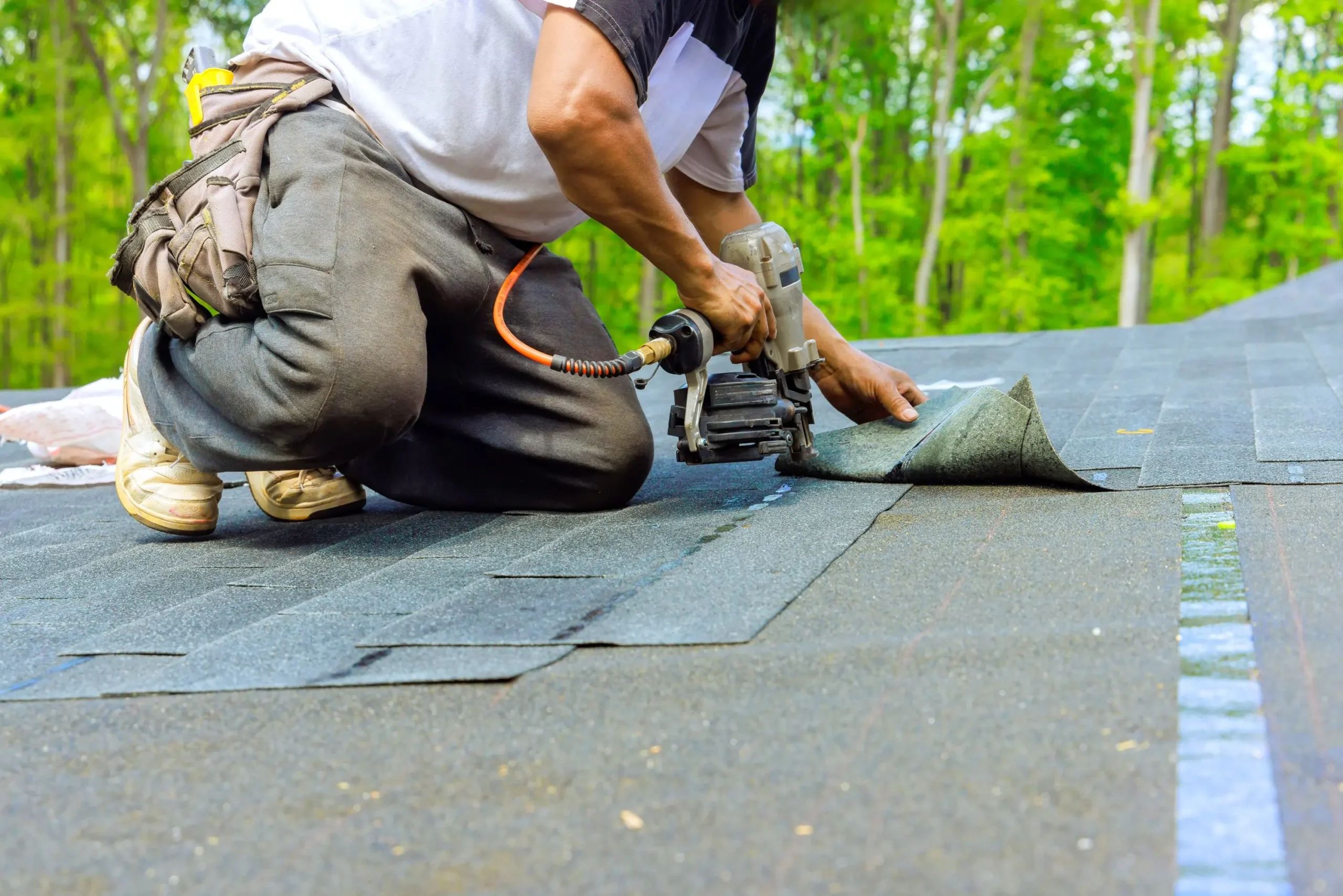
Workmanship warranties are provided by the roofing contractor, not the manufacturer. These warranties cover issues caused by improper installation, such as leaks around flashing, poorly sealed penetrations, or incorrect shingle placement. Coverage length varies widely and can range from a few years to extended terms depending on the contractor.
The value of a workmanship warranty depends entirely on the contractor’s experience and stability. A long warranty means little if the company is no longer operating when a problem arises. This is why many homeowners choose experienced Calgary roofing contractors who understand local building conditions, manufacturer requirements, and long term warranty compliance.
Key Differences Between Manufacturer and Workmanship Warranties
Manufacturer warranties and workmanship warranties serve different purposes. One protects against material defects, while the other covers installation errors. Manufacturer warranties are handled through the product supplier and often require inspections, documentation, and proof of proper installation. Workmanship warranties are handled directly by the contractor who installed the roof.
Understanding which warranty applies to a specific issue helps homeowners avoid delays and denied claims.
Common Roofing Warranty Exclusions Homeowners Overlook
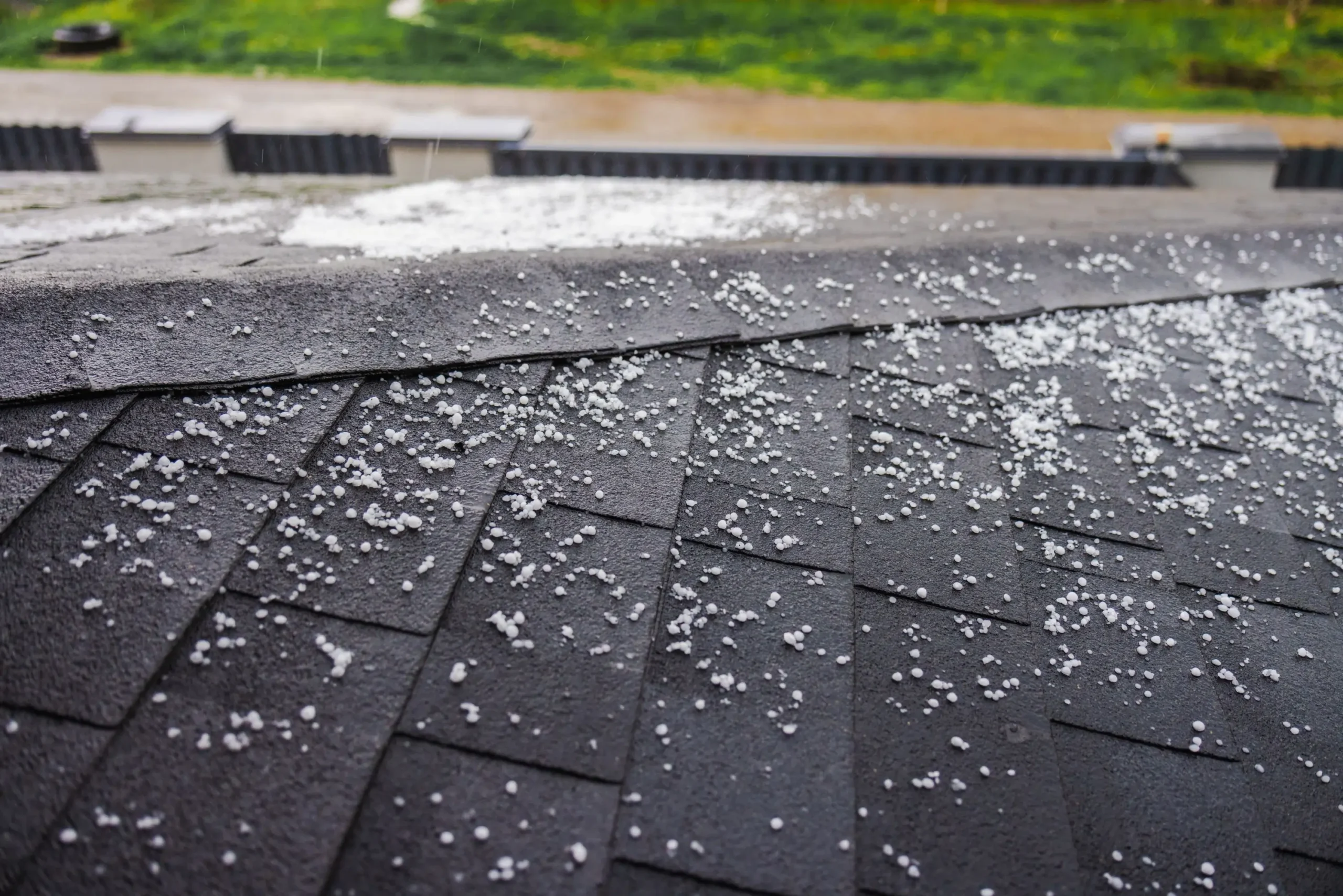
Many roofing warranty claims are denied due to exclusions homeowners did not realize applied. Common exclusions include damage caused by severe weather, improper attic ventilation, lack of maintenance, unauthorized repairs, and foot traffic on the roof. Storm damage, including hail, is often excluded because it is treated as an insurance issue rather than a warranty issue.
Failing to follow maintenance requirements or allowing unqualified repairs can also void coverage, even if the roof materials themselves are still within warranty.
How Calgary Weather Impacts Roofing Warranty Validity
Calgary’s weather plays a major role in how roofing warranties are interpreted. Rapid temperature swings cause expansion and contraction that accelerates material wear. Ice damming can force water beneath shingles, while hail can strip protective granules from asphalt shingles.
Most warranties do not cover damage caused by extreme weather, even though it is common in Calgary. This is why warranties should be viewed as part of a broader protection plan that includes proper installation and insurance coverage.
Realistic Roof Lifespan vs Warranty Promises
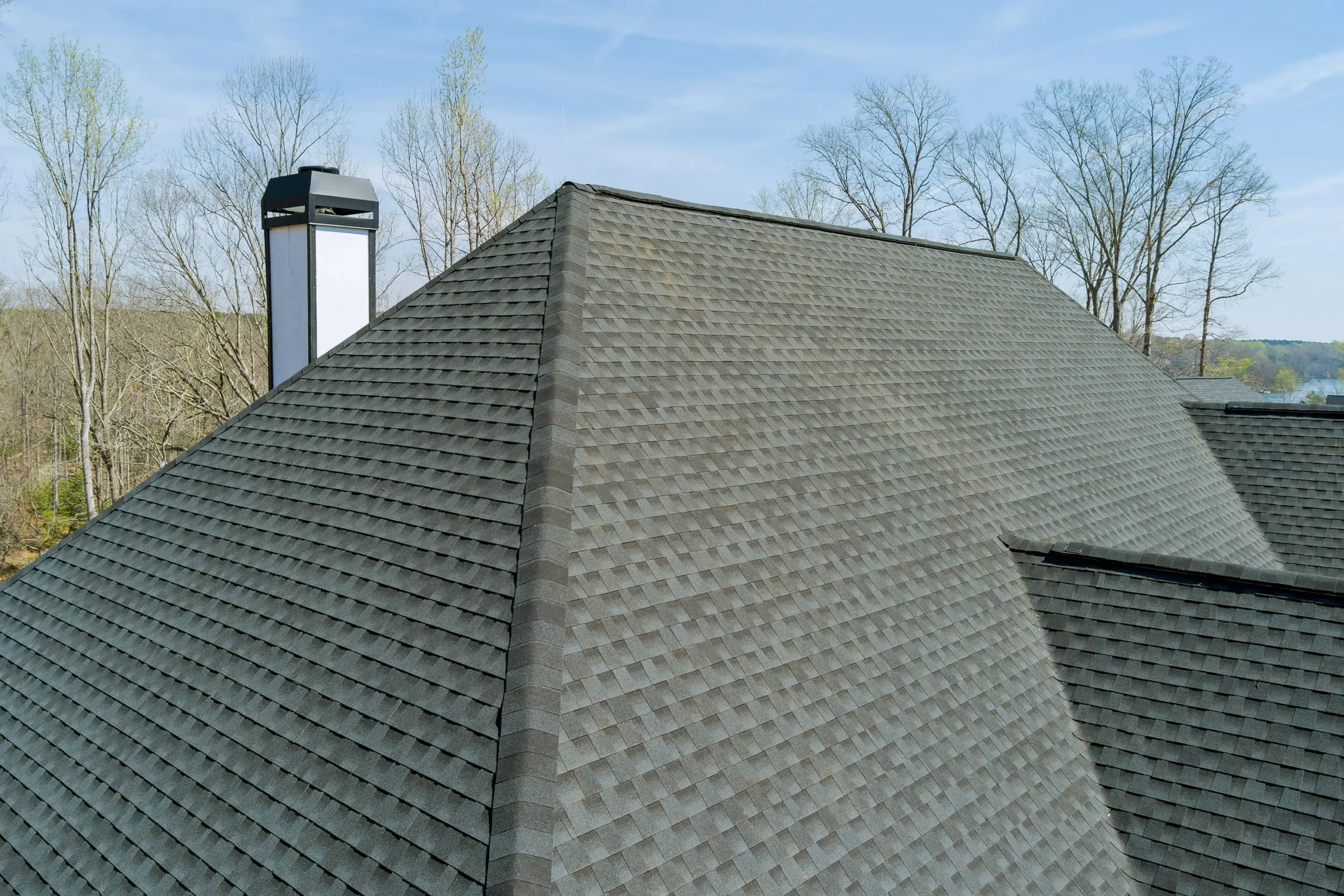
While shingles may carry long warranty terms, real world lifespan in Calgary is often shorter. Asphalt shingles frequently wear faster than advertised due to climate stress, even when installed correctly. Metal and premium roofing materials may last longer, but they still require proper installation and regular inspections.
A warranty does not guarantee a roof will last as long as the coverage period. It only defines the conditions under which defects or failures may be covered.
How to Protect Your Roofing Warranty
Protecting a roofing warranty starts with proper installation and continues with ongoing care. Ensuring adequate ventilation, scheduling inspections, and keeping documentation all help preserve coverage. Addressing small issues early significantly reduces the risk of denied claims later.
Questions Homeowners Should Ask Before Relying on a Roofing Warranty
Before committing to a roofing project, homeowners should ask who provides each warranty, how claims are handled, what exclusions apply, and what maintenance is required. Clarifying whether ventilation upgrades or additional components are necessary can prevent future disputes.
When to Get a Professional Roofing Warranty Review
If a roof is aging, leaking, or showing visible wear, a professional review can clarify whether warranty coverage may still apply. Homeowners who want to request a roofing inspection can identify potential issues early and address them before they become costly repairs.