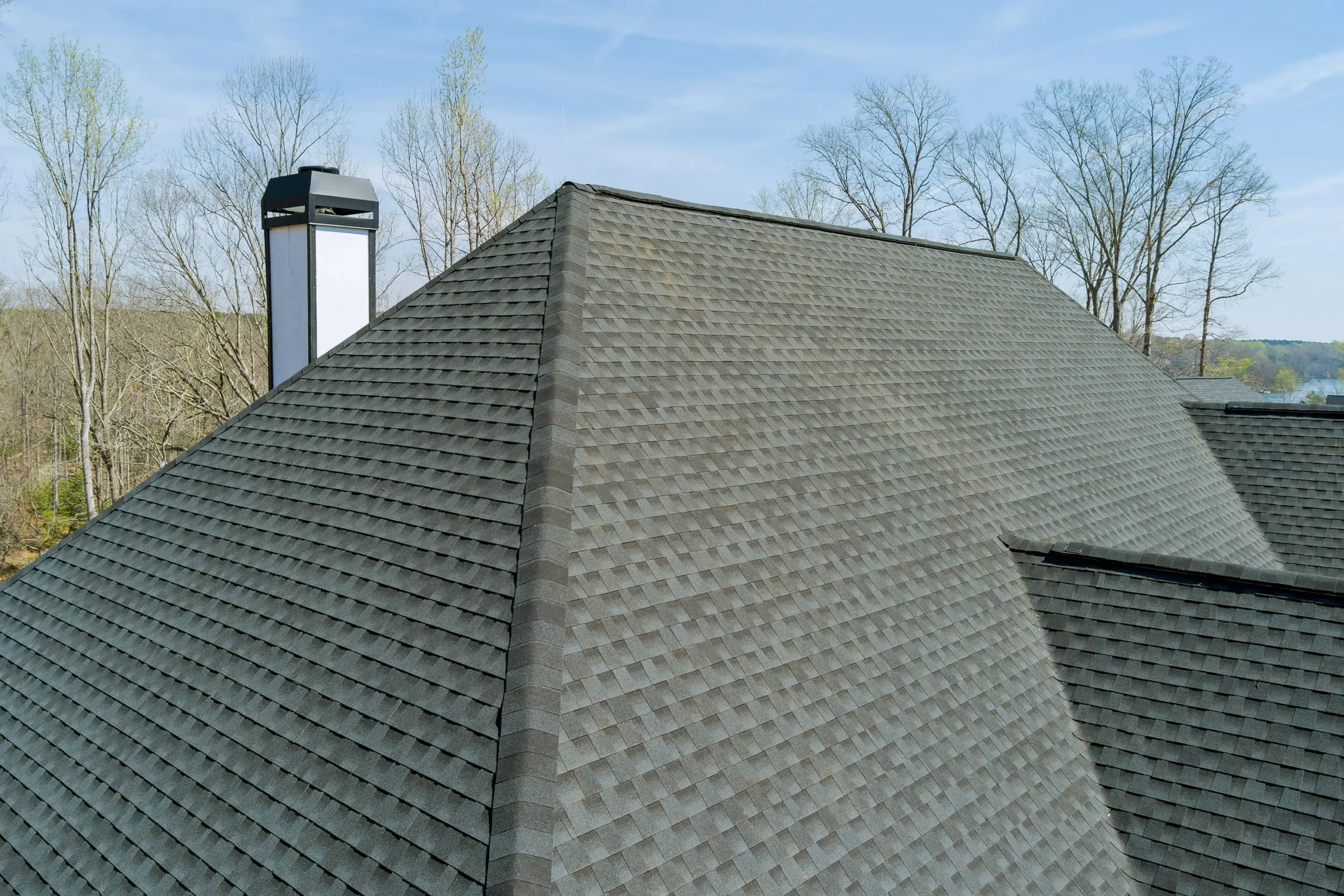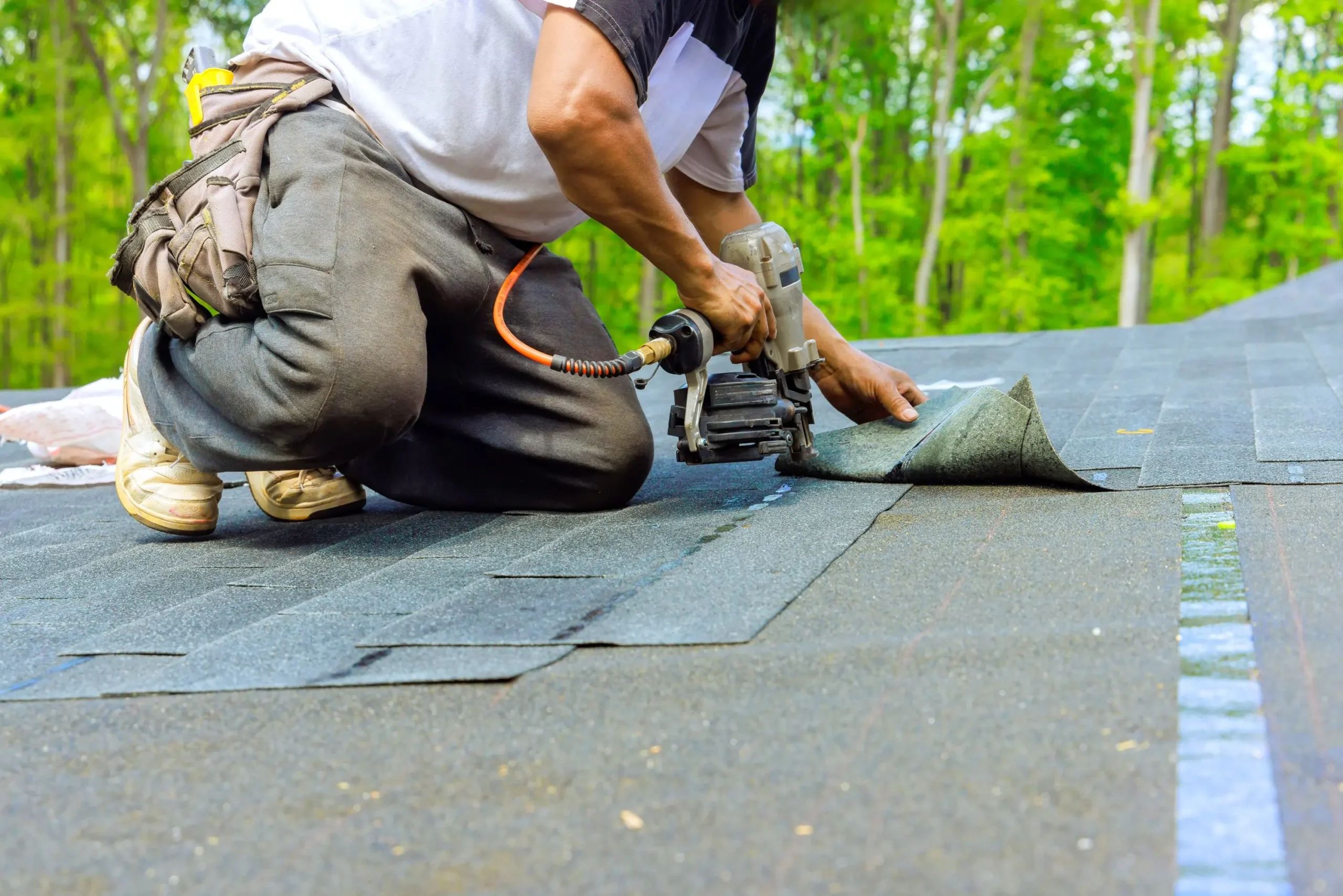
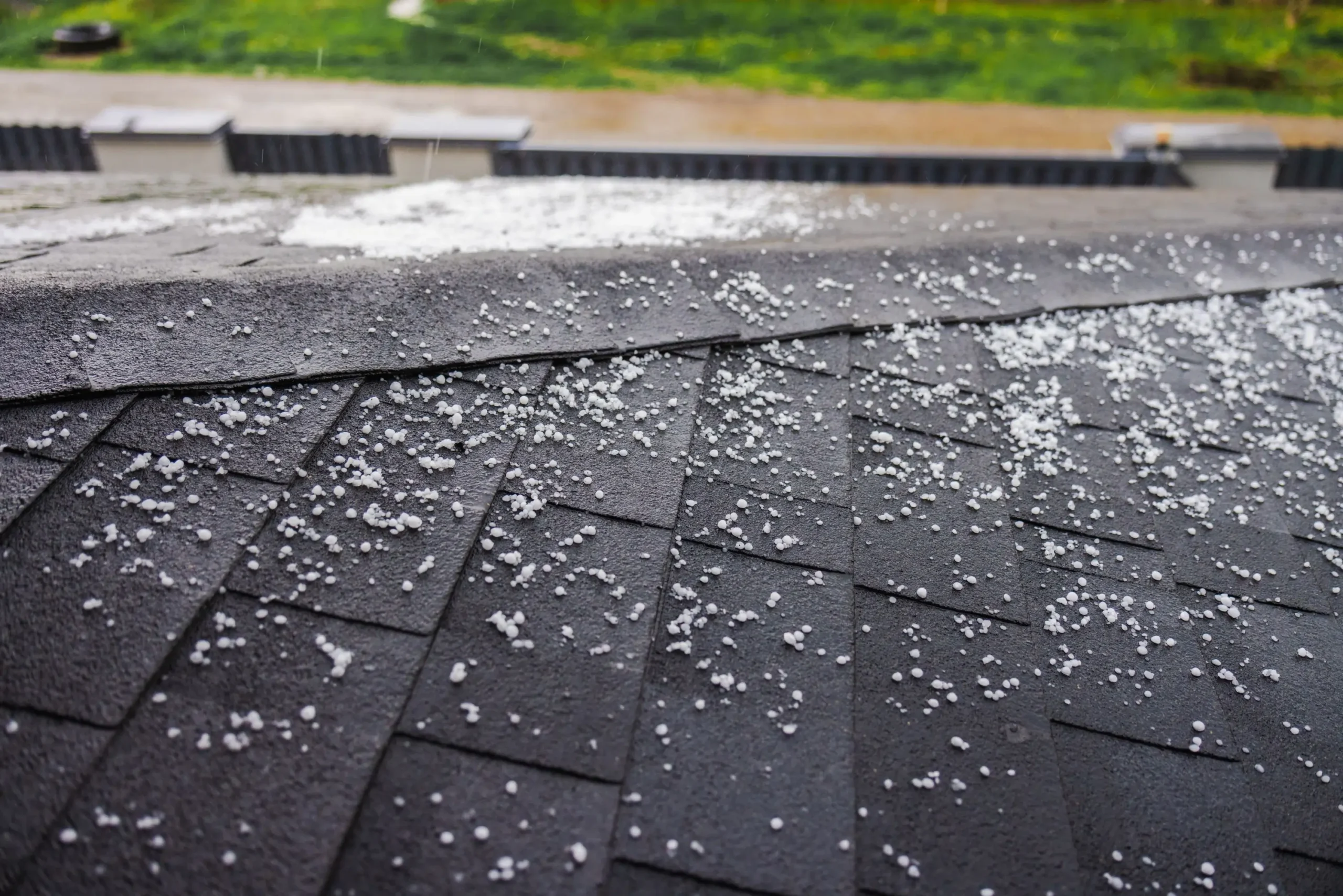
A severe hailstorm can leave homeowners unsure of what to do next, especially when roof damage is not immediately obvious. Straight Path Construction often hears from Calgary homeowners who are worried about leaks, insurance timelines, and whether their roof is still safe. Acting quickly and correctly after a hailstorm can limit further damage and make the repair process far smoother.
What Qualifies as a Roofing Emergency After a Hailstorm
Not all hail damage requires immediate emergency repair, but certain conditions do. Active water leaks, missing or punctured shingles, exposed decking, interior ceiling stains, or water entering the attic all qualify as emergencies. Any damage that allows water intrusion or creates a safety hazard should be addressed right away to prevent structural deterioration.
Immediate Safety Steps to Take After Hail Damage
Safety comes first after a hailstorm. Homeowners should stay off the roof, as hail can loosen shingles and make surfaces slippery or unstable. Inside the home, check ceilings, attic spaces, and upper walls for signs of moisture. If water is entering the home, contain it using buckets or plastic sheeting to protect flooring and furnishings until professional help arrives.
The First 24 Hours After a Hailstorm Matter Most
The actions taken in the first 24 hours after a hailstorm can significantly affect repair outcomes and insurance coverage. Immediate priorities include identifying active leaks, preventing interior water damage, and documenting visible issues. Temporary containment inside the home should happen right away, while exterior repairs can wait until conditions are safe. What should never be delayed is professional assessment, as hidden damage can worsen quickly even if leaks are not yet visible.
How to Prevent Further Damage Until Repairs Are Made
Temporary damage control can help reduce the spread of water, but it must be done carefully. Interior containment is usually safer than exterior intervention. Attempting to tarp a roof without proper equipment or experience can lead to injury or worsen damage. Improper temporary fixes can also interfere with later repairs or insurance assessments, so minimal intervention is often best.
Documenting Roof Damage for Insurance and Repairs
Documentation is critical after a hailstorm. Take clear photos and videos of visible roof damage from the ground, as well as interior signs such as leaks, stains, or wet insulation. Capture wide shots and close ups, and note the date of the storm. This documentation supports both repair planning and insurance claims, even before a professional inspection is completed.
How Emergency Roof Repairs Interact With Insurance Claims
Most hail related roof emergencies involve insurance claims, and early decisions can impact approval. Insurance providers generally expect homeowners to take reasonable steps to prevent further damage, such as interior water containment, but not to perform permanent repairs before an adjuster review. Clear documentation, storm dates, and professional inspection reports support smoother claims. Coordinating emergency repairs with an inspection helps ensure damage is properly assessed and avoids actions that could complicate coverage.
How Hail Damage Affects Roofing Systems
Hail impacts roofing systems in more ways than homeowners often realize. Granule loss exposes shingles to accelerated wear, while cracks or punctures compromise water resistance. Flashing, vents, and soft metal components are also vulnerable to hail strikes. Professional hail damage roofing repairs focus on identifying both visible and hidden damage that may not leak immediately but can shorten roof lifespan if left unaddressed.
Common Mistakes Homeowners Make After a Hailstorm
One of the most common mistakes is climbing onto the roof to inspect damage. This can be dangerous and may void warranties or insurance coverage if additional damage occurs. Delaying action is another issue, as minor hail damage can worsen with the next rainfall. Homeowners should also be cautious of unsolicited door to door contractors offering instant repairs without proper assessment.
When Emergency Repair Turns Into Full Roof Replacement
Emergency repairs are sometimes enough to stabilize a roof, but widespread hail damage can push a roof beyond repair. Extensive granule loss, repeated leaks, compromised decking, or damage across multiple slopes may indicate that replacement is the more reliable long term solution. A professional assessment helps determine where that line is drawn.
Why Professional Assessment Matters After Hail Events
Hail damage is not always obvious from the ground. Trained professionals know where to look for subtle signs that indicate deeper issues. Working with experienced Calgary roofing contractors ensures damage is properly identified, documented, and addressed, reducing the risk of missed problems and future failures.
What Happens During an Emergency Roof Inspection
During an emergency roof inspection, professionals assess shingles, flashing, vents, and structural components for impact damage and moisture intrusion. They also evaluate interior spaces for hidden leaks and document findings for repair planning. Emergency inspections focus on immediate risks first, followed by longer term repair or replacement recommendations.
When to Call for Immediate Help
If a hailstorm leaves your roof leaking, exposed, or visibly damaged, it is best to act quickly. Homeowners who need fast, professional guidance can request an emergency roof inspection to stabilize the situation, prevent further damage, and determine the right next steps before small problems turn into costly repairs.